
Lease vs. Buy
EAST HARTFORD CHEVROLET / FINANCE EDUCATION
Lease vs. Buy
A new Chevrolet. Two ways to make it yours.
Compare the commitment, mileage and long-term costs.
Which approach fits your driving?
Lease
Consider it if you like a newer vehicle every few years and can plan your mileage.
- Ownership
- Pay to use the vehicle for an agreed term, not to own it.
- Monthly payment
- May be lower than financing a comparable vehicle. Compare the full quote, not just the payment.
- Mileage
- Your contract sets the allowance. Excess miles and excess wear can mean additional charges.
- At the end
- Return it or explore a purchase option if your agreement provides one.
Buy / Finance
Consider it if you want to keep your vehicle longer or your mileage varies.
- Ownership
- Keep the vehicle after your loan is paid off.
- Monthly payment
- Loan payments depend on the amount financed, APR and term. A longer term can increase total interest.
- Mileage
- No lease mileage allowance. Miles and condition still affect resale value.
- At the end
- Keep, sell or trade. If you sell before payoff, any remaining loan balance must be addressed.
Neither option is always less expensive. Compare the same vehicle, time period, upfront costs and expected mileage.
Lease basics, without the jargon
What am I paying for?
A lease payment generally includes the vehicle’s expected depreciation during your term and a rent charge, plus applicable taxes and fees. It is not a loan payment toward full ownership.
What does “due at signing” mean?
The amount needed to start the lease. Ask for an itemized breakdown of the first payment, any down payment, taxes, registration, acquisition fee and other charges. A low monthly payment alone does not tell the whole story.
How much mileage should I choose?
Count commuting, errands, weekend trips and travel. Ask for a written quote using your expected annual mileage and confirm the excess-mile rate before signing.
What is residual value?
The vehicle’s estimated value at lease end used in the agreement. Review the actual purchase-option price, taxes and fees if you may want to buy later.
What are my maintenance responsibilities?
Follow the manufacturer’s maintenance schedule and your lease’s condition requirements. Warranty coverage does not make all maintenance, damage or wear costs free.
When your lease is ending
1. Review
Check your maturity date, mileage allowance and lease-end responsibilities. Get a current purchase quote if you are considering keeping the vehicle.
2. Prepare
Ask your lender about a pre-return inspection and arrange a return appointment. Gather keys, accessories and required documents.
3. Choose
Return your vehicle, purchase it under the agreement’s terms, or explore your next vehicle. Confirm any remaining payments, fees and charges.
For GM Financial accounts, see the official lease-end FAQ. Other lenders may have different procedures.
Common questions
Can I trade my lease early for another Chevy?
You may not need to wait until your lease ends to get into another Chevrolet. In some cases, we may be able to help you trade out early without an early-termination penalty. A store visit is required so our team can appraise your vehicle, review your lease payoff and lender requirements, and explore your next Chevy.
Options depend on your vehicle value, lease terms and eligibility. Any remaining balance, fees or negative equity must still be accounted for; trading early does not automatically waive them. We will explain any costs before you decide.
Visit us for an appraisal or call (860) 528-1554 to arrange a visit.
Can I buy my leased Chevrolet?
Yes! You can purchase your leased Chevy instead of returning it. Our team can help you review your current lease buyout amount, applicable taxes and fees, and the steps to make it yours.
You can pay for the buyout or explore financing options with our team. Financing is subject to credit approval and lender terms.
Call (860) 528-1554 or visit East Hartford Chevrolet to review your buyout options.
Does leasing build equity?
Lease payments do not build ownership like loan payments. A vehicle may be worth more or less than its purchase-option price, but that difference is not guaranteed or automatically paid to you.
What should I bring to compare my options?
Your estimated yearly mileage, preferred vehicle, planned ownership period and a comfortable total budget. Bring a current loan or lease statement if you already have a vehicle.
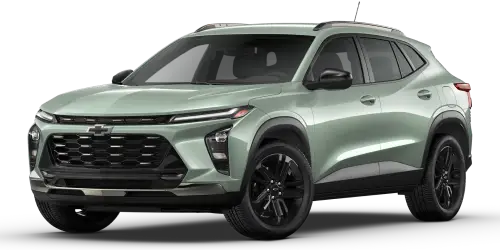
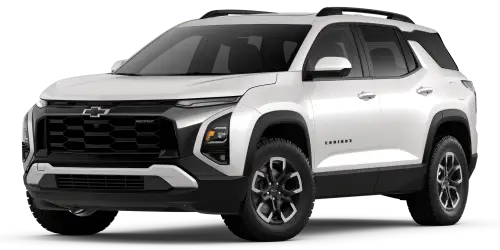
Compare options on a Chevrolet you love
Ask our team for lease and purchase quotes on the same vehicle, with a clear breakdown of costs.
Vehicle images are illustrative. Availability and financing programs vary.