
2027 Chevy Bolt vs. Equinox EV vs. Blazer EV
2027 ELECTRIC VEHICLE COMPARISON / EAST HARTFORD CHEVROLET
Chevy Bolt vs. Equinox EV vs. Blazer EV
Find your electric fit. Compare range, charging and everyday practicality, then explore the vehicles that interest you.
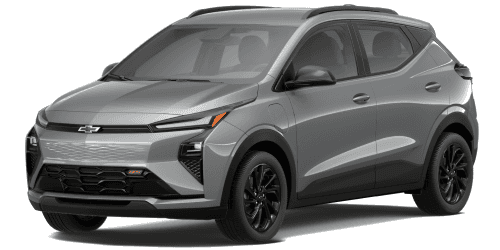
Compact everyday driving
Bolt
Start here when your priorities are a compact EV, everyday errands and a straightforward first step into electric driving.
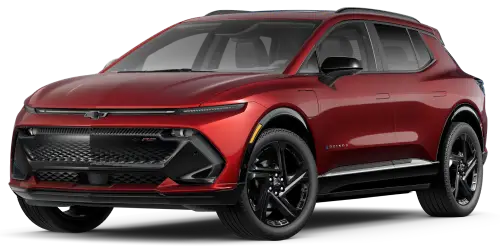
Range and everyday flexibility
Equinox EV
Start here when you want an electric SUV for your daily routine, with available AWD and a versatile interior.
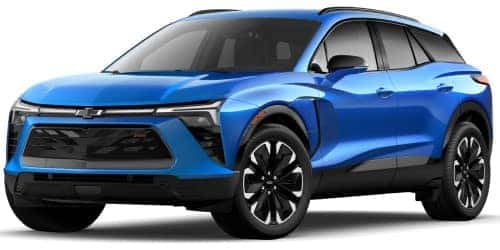
Style with an SS option
Blazer EV
Compare the Blazer EV when cabin design, sporty styling and the available SS model are high on your list.
This comparison covers 2027 U.S. models. The new Bolt is not the same vehicle as earlier Bolt EV or Bolt EUV models. Images are illustrative and may show another year or optional equipment. Inventory links may include other years; confirm availability.
2027 Bolt, Equinox EV and Blazer EV at a glance
Chevrolet Bolt
- EPA-estimated electric range*
- 262 miles
- Diagonal center touchscreen
- 11.3 inches
- 2027 charging port
- Standard NACS
- Shopping starting point
- Compact parking and daily errands
Chevrolet Equinox EV
- EPA-estimated electric range*
- 319 miles with FWD
- Diagonal center touchscreen
- 17.7 inches
- 2027 charging port
- Standard NACS
- Shopping starting point
- Everyday SUV use and available AWD
Chevrolet Blazer EV
- EPA-estimated electric range*
- 312 miles with FWD
- Diagonal center touchscreen
- 17.7 inches
- 2027 charging port
- Standard NACS
- Shopping starting point
- Distinctive design and an SS model
*Range estimates are for a full charge and the stated configuration, not a guarantee of distance between stops. Actual range varies with temperature, battery condition, driving, terrain, load and other factors. Other trims or drivetrains can have different ratings. Charging availability, connector compatibility and equipment requirements vary.
Which Chevrolet EV should you try first?
Bolt vs. Equinox EV
Our suggestion: begin with Bolt when compact size is high on your shopping list, then compare Equinox EV if you want an SUV layout and the option of all-wheel drive. The range figures above favor the specified Equinox EV configuration, but the useful question is how either vehicle fits your real driving and charging routine.
Bring your usual bags and passenger requirements to the visit. Try parking, reaching the controls and loading the items you carry most often. A longer published range does not automatically make one vehicle a better fit for every household, especially when reliable charging is available where you normally park.
Equinox EV vs. Blazer EV
Both offer large center touchscreens, but spend time with their actual cabin layouts before choosing from a specification list. Chevrolet lists maximum cargo volume at 57.2 cubic feet for Equinox EV and 59.1 for Blazer EV, with rear seats folded. Both seat up to five; maximum cargo space and full passenger seating are not available at the same time.
Our take: start with Equinox EV for an everyday electric SUV comparison. Add Blazer EV when its styling, seating environment or SS model interests you. Test your real cargo with the seats you need left upright. Do not assume a sporty trim has the longest range or that equipment is identical across all versions.
Bolt vs. Blazer EV
This is a useful comparison for shoppers deciding how much vehicle they need. Our suggestion: make one list of everyday requirements and another of features you would enjoy. Put parking, passenger comfort, cargo and charging access on the first list. Then decide whether the design and equipment of a particular Blazer EV justify choosing it over a Bolt that meets your practical needs.
Ask to compare actual available vehicles and itemized prices. Trim, options and model year matter. A test drive should include the maneuvers you repeat every week, not just a quick trip around the block.
Make a charging plan before choosing your EV
Start with where you park overnight
Think about the place your vehicle spends the most time. Can you charge there, and is the equipment appropriate for your daily mileage? Level 1 uses a compatible 120-volt supply; Level 2 uses suitable 240-volt equipment and generally provides faster home charging. Have a qualified electrician assess the installation rather than assuming an existing outlet or electrical panel is suitable.
Our shopping advice: obtain a written estimate covering the charger, electrical work and any required upgrades before treating home charging as part of your budget. If you rent or share parking, confirm permission, access and payment arrangements. A convenient charging routine should work for your actual household.
Public charging and NACS
The 2027 models in this comparison have a standard NACS port. That does not mean every charger is compatible or available. Check the specific station, vehicle, connector, approved adapter requirements and payment setup before relying on a location. Older model years can use different connections, so confirm the exact vehicle rather than shopping by model name alone.
For road trips, identify a primary charging stop and a backup before departure. Consider amenities, hours and how the stop fits your passengers’ needs. A charger shown on a map is not a promise that a space will be open when you arrive.
Understand fast-charging estimates
DC fast-charging performance depends on the vehicle, charger output, battery temperature and starting charge level. A quoted time for part of the battery is not a full-charge time, and peak charging power is not maintained throughout a session. Plan around your vehicle’s instructions and the conditions of the trip.
Ask us to demonstrate the charging port and relevant vehicle settings during your visit. Review the correct Owner’s Manual for charge limits and battery-care recommendations; one model’s recommended daily setting should not be applied automatically to another.
Range, family needs and Connecticut driving
Compare your week, not just the headline range
Write down your typical round trip, errands after work and longer journeys you repeat. Think about where you can recharge and what would happen if that location were unavailable. Our recommendation is to choose a vehicle and charging plan with useful flexibility rather than building every day around the last mile of an estimate.
Weather, highway speed, heating and cooling, terrain and load can affect range. Allow additional planning for Connecticut winter travel. When supported and used according to the vehicle instructions, preconditioning while plugged in can help prepare the cabin before departure. Leave time for charging and a backup stop on unfamiliar routes.
Try the seats and bring your cargo
Set the driver’s seat for the person who normally drives, then have regular passengers try the rear seats. Check the liftgate opening and load your stroller, mobility aid, sports bag or other everyday item. If you use child restraints, verify their fit and permitted installation according to both the restraint and vehicle instructions.
Do not decide from total cargo volume alone. Floor shape, seat position and access may matter more for the specific things you carry. Check that passengers can enter and exit without moving the entire load.
Try the technology while parked
Practice adjusting climate controls, entering a destination and finding charging information. Ask which features are included on the vehicle you are considering and which need a compatible phone, account or service plan. Driver-assistance features are not a replacement for an attentive driver.
Compare ownership costs using your numbers
Request an itemized vehicle quote and compare it with your expected charging arrangement, insurance and maintenance needs. Public charging and home charging can have different rates and fees. Our advice is to calculate from your own electricity bill and the stations you expect to use, rather than assuming every electric vehicle produces the same savings.
For payment choices, explore our lease vs. buy guide. Ask for the terms of any offer that applies to your selected vehicle; this page does not promise a tax credit, incentive or fixed ownership cost.
Shopping an older Bolt EV, Bolt EUV or another used EV?
Keep the model year in every comparison. Earlier Bolt EV and Bolt EUV vehicles are not interchangeable with the new 2027 Bolt for range, charging, equipment or battery-care guidance. Likewise, do not apply the specifications on this page to an older Equinox EV or Blazer EV.
Review the individual vehicle’s equipment, condition, charging hardware, service information and remaining warranty terms. Ask what charging accessories are included. Browse our pre-owned vehicles and bring the listing to your visit so we can discuss the specific vehicle rather than a generic model.
Make your EV visit useful
- Bring your typical daily mileage and frequent road-trip destinations.
- Describe your home or workplace parking and charging access.
- Bring your regular passengers and cargo measurements.
- Ask to try the charging connection and vehicle settings.
- Bring your current vehicle for an in-store trade appraisal.
Bolt vs. Equinox EV vs. Blazer EV FAQs
Which model has the longest range in this comparison?
The Equinox EV FWD has the highest EPA estimate among the configurations shown in our chart. Compare the rating of the exact trim and drivetrain you are shopping; actual range varies.
Is the new Bolt the same as the older Bolt EUV?
No. This page covers the 2027 Bolt. Do not apply its charging specifications or equipment to an earlier Bolt EV or Bolt EUV.
Can I own an EV without home charging?
Possibly, if dependable workplace or public charging fits your routine. Before buying, confirm locations, hours, compatibility, typical availability and prices, and plan a backup.
Do all three use the same charging connector?
The 2027 models discussed here have NACS ports. That does not establish compatibility with every station, and older years may differ. Confirm the vehicle, charger and any approved adapter needed.
Will winter affect my driving range?
Cold weather can affect range and charging performance. Plan extra flexibility, follow your vehicle’s charging and preconditioning guidance, and check charging options before longer trips.
Can I compare these EVs at East Hartford Chevrolet?
Call us to confirm available models and arrange a visit. We can review specific vehicles, charging questions and trade-in options. Every model or trim may not be available at the same time.
Shop Chevrolet electric vehicles near Hartford, CT
Visit East Hartford Chevrolet at 585 Connecticut Boulevard, East Hartford, CT 06108. Whether you commute from Hartford, run family errands around Manchester or are considering your first EV in South Windsor or Glastonbury, start with your driving needs and compare the vehicles that fit.
Model information and sources
2027 U.S. model information reviewed September 9, 2026. Manufacturer references: Chevrolet Bolt, Chevrolet Equinox EV, Chevrolet Blazer EV, EV charging and EV range and battery information. Manufacturer pages may change model years. Confirm specifications, charging compatibility, equipment and availability for the exact vehicle. Range and charging estimates are not guarantees.